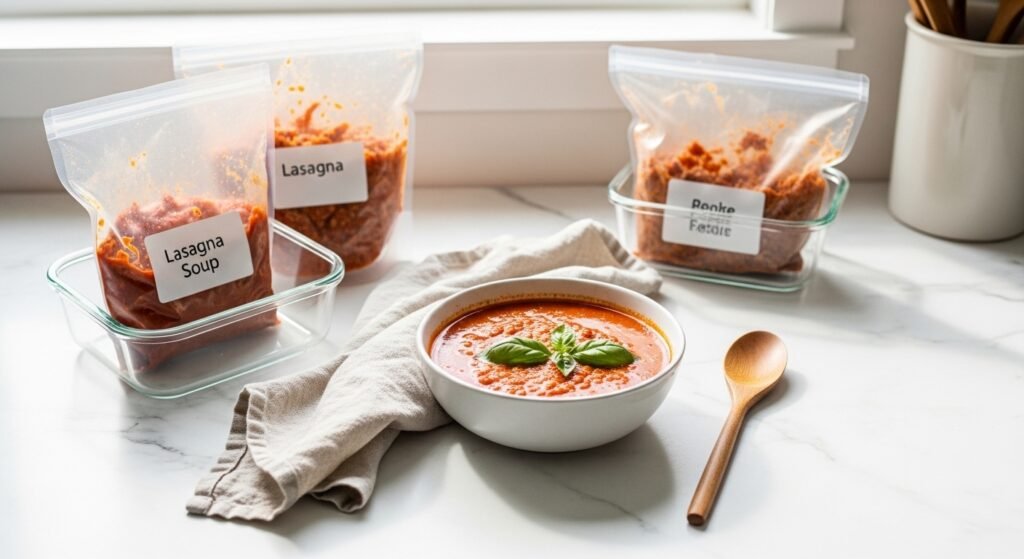
You love a big pot of lasagna soup on a busy weeknight, but the idea of reheating a soggy, bland freezer meal keeps you from batch-cooking. If you want to freeze lasagna soup the right way, you’ll keep texture, flavor, and that cheesy finish you crave. This guide shows you how to freeze lasagna soup for meal prep so every reheated bowl tastes fresh.
The secret is portioning and packaging. Use airtight glass containers for reheating in the oven or freezer bags for flat freezing and space-saving stacking. You’ll learn quick cooling, portion sizes, storage times, and reheating tricks to keep noodles and cheese from turning gummy.
Follow the steps below and you’ll be able to freeze lasagna soup in batches for stress-free dinners. Expect realistic timelines, simple tools, and a few product suggestions that actually make this easy.
Preparing Your Lasagna Soup for Freezing
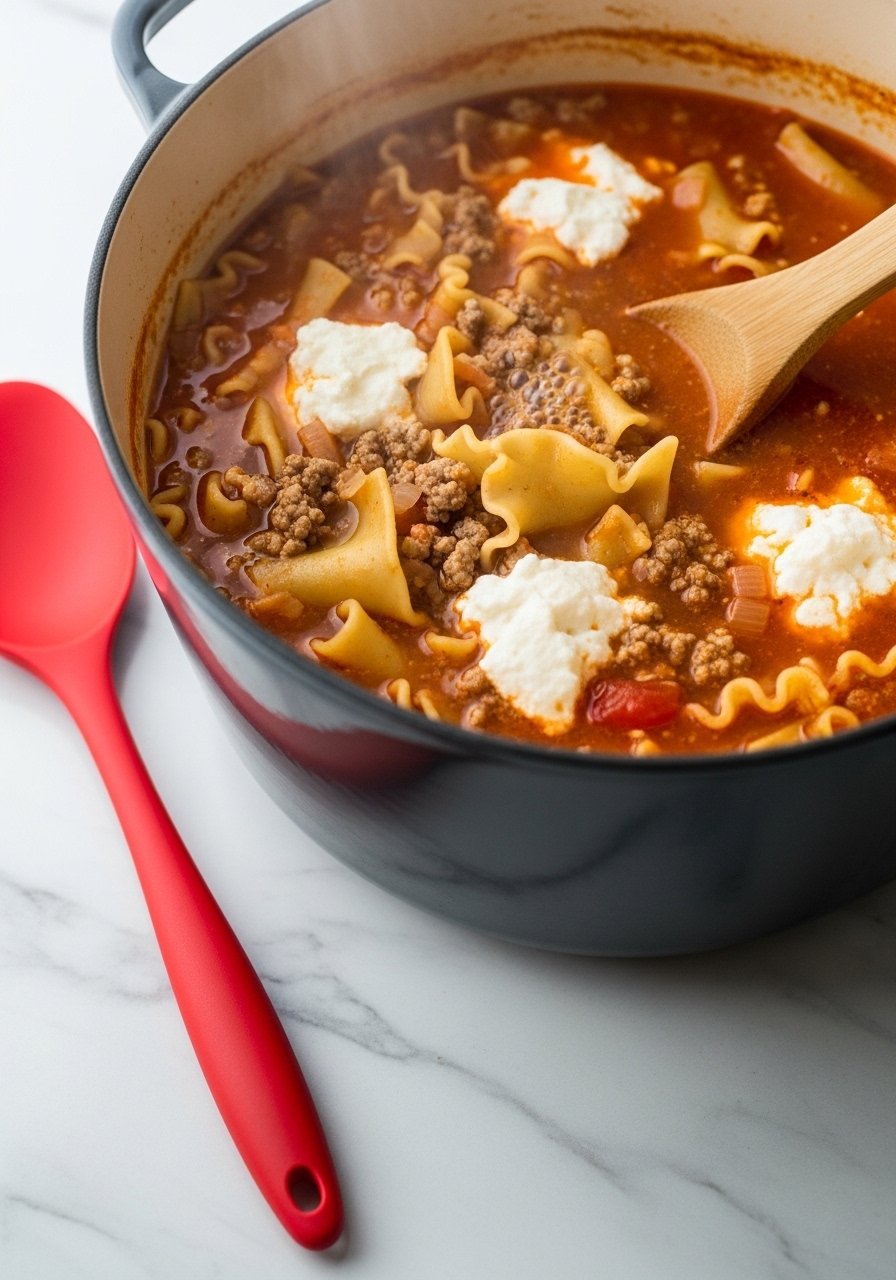
prop nearby. Bright natural light, minimal linen napkin, basil garnish visible.]
Before freezing, adjust what’s in the pot so textures survive freezing and reheating.
- Cool soup off heat for 15–20 minutes, then chill in the fridge until it reaches below 40°F (about 1–2 hours).
- Remove or minimize fresh pasta and big dollops of ricotta—they get mushy. Instead, cook pasta fresh at serving or add al dente pasta when reheating.
- If your recipe uses ground meat, brown it thoroughly; leaner meat freezes better.
Helpful tools:
- Scoop portions with a soup ladle for consistent 1–1.5 cup servings.
- Stir and scrape the pot with a silicone spatula to get every saucy bit into your containers.
Portioning and Freezing Methods That Save Space
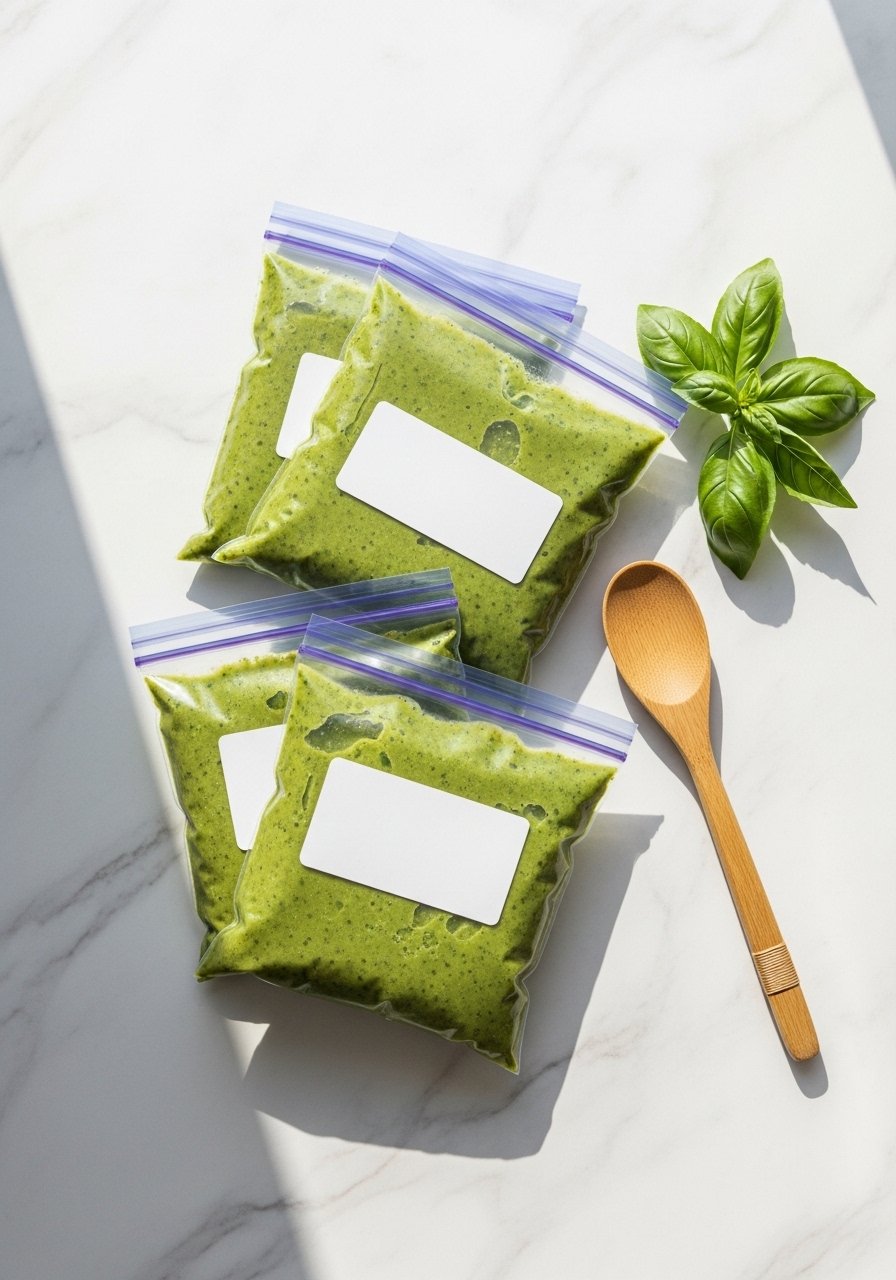
Decide whether you'll freeze family-size portions or single servings.
- Portion sizes:
- 2 cups = one adult meal
- 1–1.5 cups = lunch or kid-sized serving
- Freezing options:
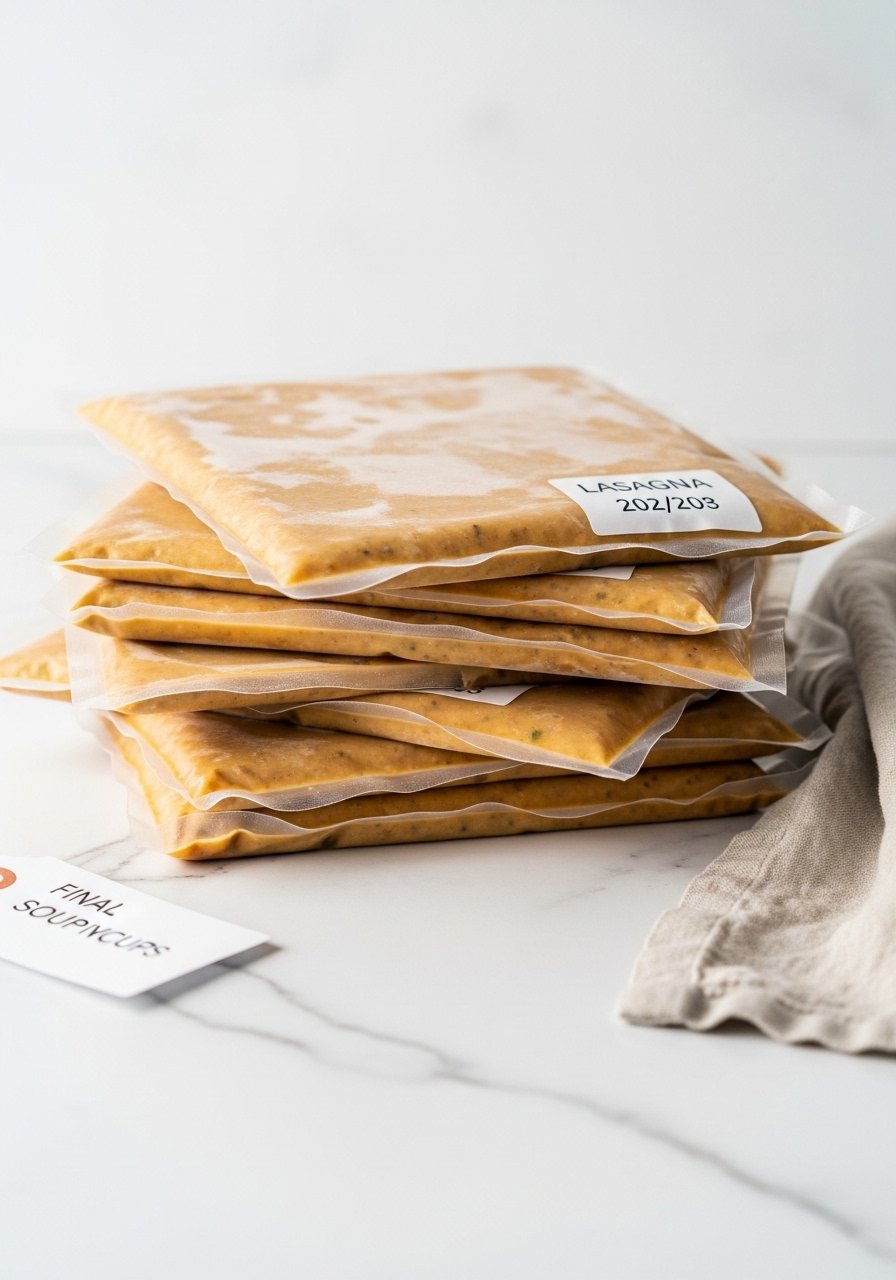
- Use freezer bags for flat stacking. Lay bags flat to freeze; they stack nicely and thaw faster.
- Use glass meal prep bowls for oven-ready reheating (leave a little headspace).
- Seal and label:
- Remove excess air before sealing. For bags, press flat and vacuum-style squeeze out air.
- Label with date and contents using freezer labels.
Quick tips:
- Flash-freeze spoonfuls on a tray for portioned cheese or meat before bagging.
- For shorter freezer life, use mason jars with wide mouths—but leave 1–2 inches headspace.
Thawing and Reheating for Best Texture
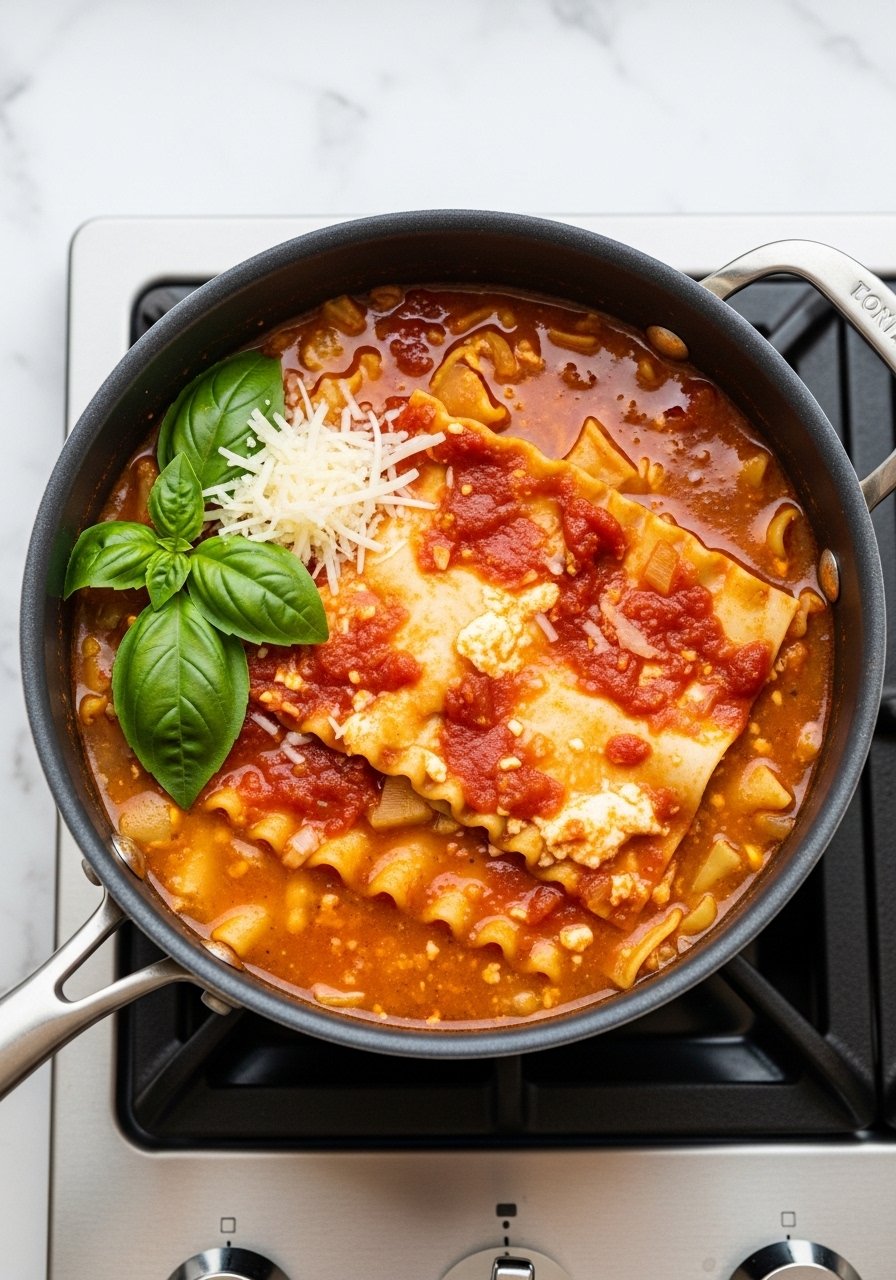
Correct thawing keeps cheese creamy and noodles tender.
- Thawing options:
- Overnight in the fridge (best): 8–24 hours depending on portion size.
- Quick thaw: Place sealed bag in cold water for 30–60 minutes.
- Reheating steps:
- Transfer thawed soup to a pot. Heat over medium-low, stirring often. Add a splash of water or broth if too thick.
- Simmer gently for 8–12 minutes until heated through; avoid rolling boil to protect cheese texture.
- Add freshly cooked pasta or heat pre-cooked pasta separately and combine at the end.
Microwave reheating:
- Use glass containers and reheat in 1–2 minute bursts, stirring between intervals.
Products that help:
- Reheat in a large soup pot for even heat.
- Use a wire cooling rack if you flash-freeze portions on a tray.
Finishing Touches and Make-Ahead Serving Ideas
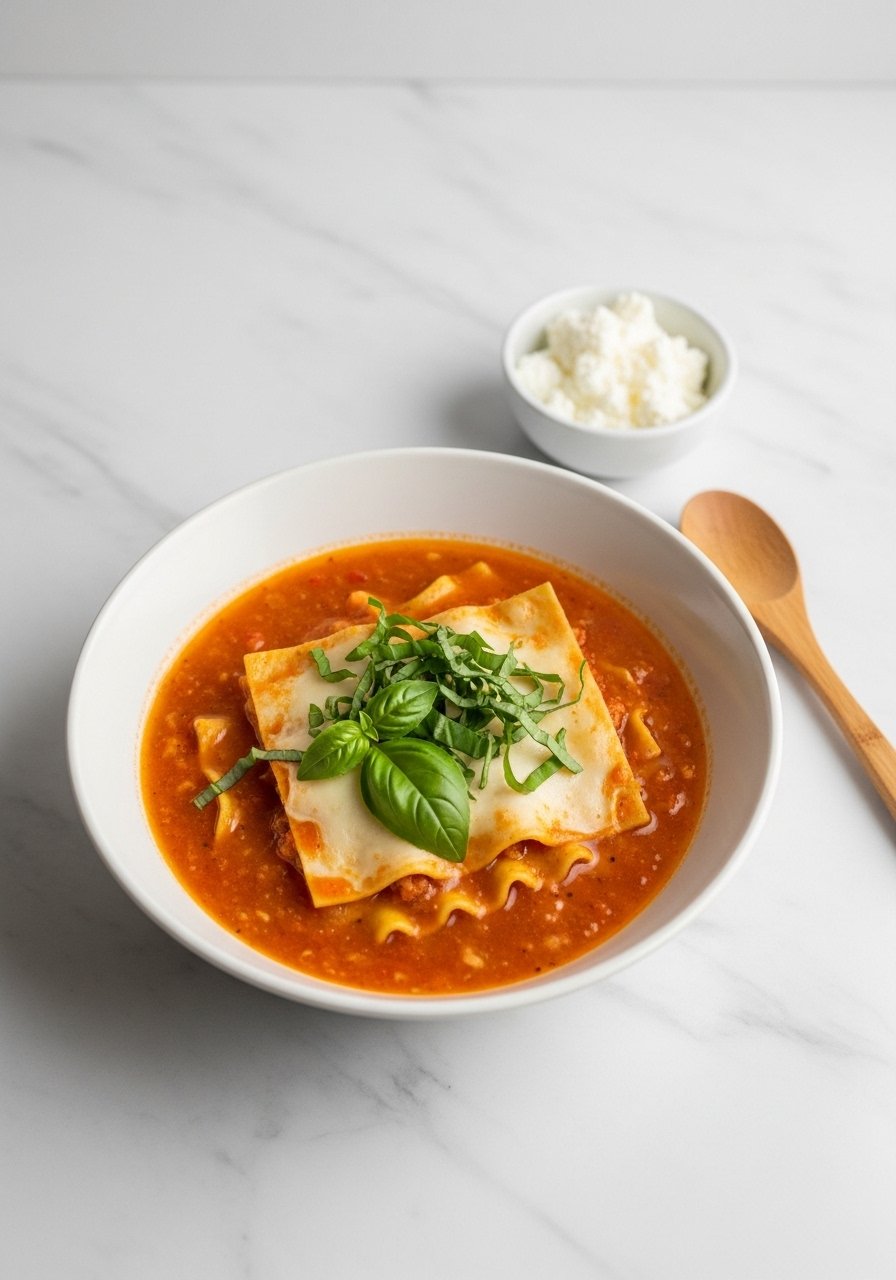
Small finishing steps make reheated soup feel fresh.
- Add a spoonful of ricotta or shredded mozzarella after reheating—not before freezing—for creamier texture.
- Crisp garlic bread right before serving and dunk into the soup for contrast.
- Store extras in airtight glass containers if you plan to reheat in the oven.
Storage benchmarks:
- Best quality: up to 3 months in the freezer.
- Label date and rotate older batches first.
Warm final tips:
- If you’re short on time, freeze soup base only and add fresh meat, pasta, or cheese when reheating.
- Keep a set of plastic wrap or extra freezer bags on hand for midweek refills.
You just learned how to freeze lasagna soup so reheats taste fresh, not soggy. Save this guide, pin it for your next meal-prep day, and try freezing one batch for weekday dinners. Want to know which reheating method keeps noodles most like fresh-cooked—microwave or stovetop? Which tip will you try first?